 EN
EN

Small-batch CNC machining: Core advantages, applicable scenarios and design key points
In modern manufacturing, production models are becoming increasingly diverse. Traditionally, enterprises tend to reduce unit costs through mass production, but for start-ups or those in the R&D stage, this approach is not realistic. At this point, small-batch CNC machining offers a flexible and efficient alternative solution. It focuses on producing small-scale samples or trial production batches, helping enterprises quickly verify designs, test the market or start operations.
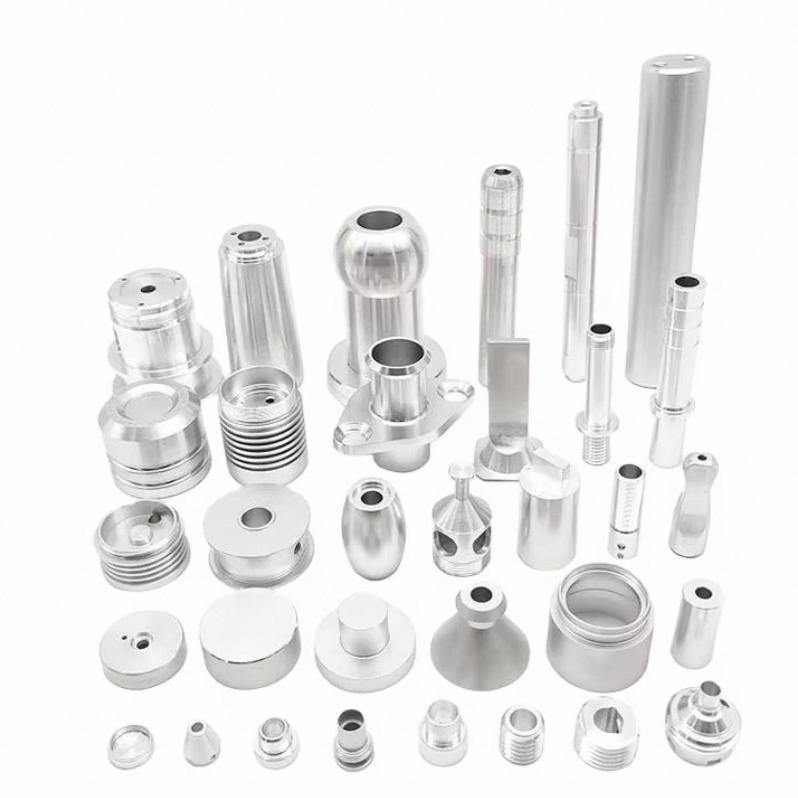
This article will comprehensively analyze the core advantages and typical application scenarios of small-batch CNC machining, and share key design techniques to help you choose your partners more reasonably.
ⅠWhat is small-batch CNC machining?
small-batch CNC machining is a manufacturing strategy geared towards small to medium production volumes, typically ranging from tens to thousands of pieces. Different suppliers may define "small batch" differently—some refer to 100–1,000 pieces, while others accept orders of several thousand.
The goal is to complete production at a reasonable cost while maintaining better process control, faster response times, and lower initial investment.
ⅡWhat are the core advantages of small-batch CNC machining
Reduce initial investment and financial risks
Mass production often requires a high initial investment in molds and equipment. The small-batch mode can be initiated with only a small number of CNC devices, significantly reducing the financial pressure on enterprises. It is particularly suitable for the trial production of new products or small-scale orders.
High precision and good consistency
When the processing quantity is small, the operator can focus more on the quality of each workpiece. Combined with the stability of the CNC system itself, even small batches can ensure dimensional accuracy and part consistency, making it particularly suitable for high-demand fields such as aerospace and medical devices.
Accelerate the pace of product launch
Manufacturers do not need to wait for the full production line schedule and can quickly produce small batches of samples for testing, feedback and design iterations. This rapid circulation mechanism helps enterprises enter the market earlier and seize the initiative.
Design flexibility and process optimization space
At the small-batch stage, adjustments to design or process are easier to achieve and will not result in large-scale waste or rework. Enterprises can test various design schemes or optimize processing steps to accumulate experience for subsequent expansion of production.
Reduce inventory pressure and enhance supply chain resilience
The small-batch mode supports "production on demand", reducing inventory overstock caused by prediction errors. When market demand is volatile or when facing supply chain fluctuations, enterprises can respond more nimbly.
Ⅲ Typical applicable scenarios for small-batch CNC machining
Prototype making and product testing
During the new product development stage, functional prototypes are rapidly manufactured for performance verification or user testing, such as the trial production batches of medical devices.
Customized component requirements
Such as automotive modification parts, special mechanical components, etc., customers need specific designs but the quantity is limited.
Start-ups and niche markets
It is suitable for newly established enterprises to conduct small-scale trials, produce dozens to hundreds of products, and detect market feedback.
Enhance supply chain resilience
In the face of an uncertain external environment, the risk of supply chain disruption can be reduced through small-batch and multi-batch production.
Production testing and process validation
The processing workshop can use small-batch orders to test processing programs, tool parameters, etc., to prepare for subsequent mass production.
ⅣKey design techniques for reducing the cost of small-batch CNC machining
Adhere to the design principle of manufacturability
Try to adopt standard hole diameters, threads and other features, avoid overly deep cavities or extremely slender structures, and simplify the processing flow.
Give priority to using standard cutting tools and fixtures
Customized tooling will increase costs and delivery times. Try to design parts based on existing standard tools as much as possible.
Reasonable selection of materials
Under the premise of meeting performance requirements, choose easy-to-machine materials (such as aluminum alloy, common plastic), and use high-hardness or difficult-to-machine materials with caution.
Reduce secondary post-processing procedures
Avoid additional polishing, special coatings or complex surface treatments unless necessary to control costs.
Adopt a strategy of processing multiple pieces of one material or combining them
In a single clamping, multiple identical or similar parts can be processed simultaneously to enhance material utilization and processing efficiency.
Merge orders for similar parts
Arranging multiple parts with similar designs for production in the same batch can spread out the preparation time and setup costs.
Relax non-critical tolerances
Overly strict tolerances will lead to a decrease in processing efficiency and an increase in inspection costs. Only mark the necessary tolerances at key positions.
ⅤKey differences of small-batch vs. large-batch CNC machining
|
Project |
Small-batch CNC machining |
large-batch CNC machining |
|
Production range |
Dozens to thousands of pieces |
Tens of thousands to millions of pieces |
|
Initial investment |
Lower |
Higher |
|
Delivery date |
Several days to several weeks |
Several weeks to several months |
|
Unit cost |
Relatively high |
It decreased significantly with the increase in quantity |
|
Customized flexibility |
high |
low |
Other commonly used small-batch manufacturing processes
Small-batch injection molding
Suitable for products such as plastic casings and structural components, it can produce hundreds to thousands of pieces using soft molds or simple molds.
Small-batch 3D printing
Suitable for complex geometries, lightweight structures or rapid prototyping, it supports a variety of metals and engineering plastics.
ⅦHow to choose a small-batch CNC processing service provider
Quality assurance system
Examine the supplier's past cases and customer reviews, and may request samples to verify processing capabilities.
Delivery date matching
Clarify your project schedule and compare the standard delivery dates and expedited options of different suppliers.
Price transparency
Obtain detailed quotations for different batch sizes, understand the impact of quantity on unit price, and conduct multi-party comparisons.
Relevant certifications and standards
Give priority to choosing manufacturers that have passed quality management system certifications such as ISO 9001 to ensure standardized processes.
Ⅷ Choose us - Professional small-batch CNC machining services
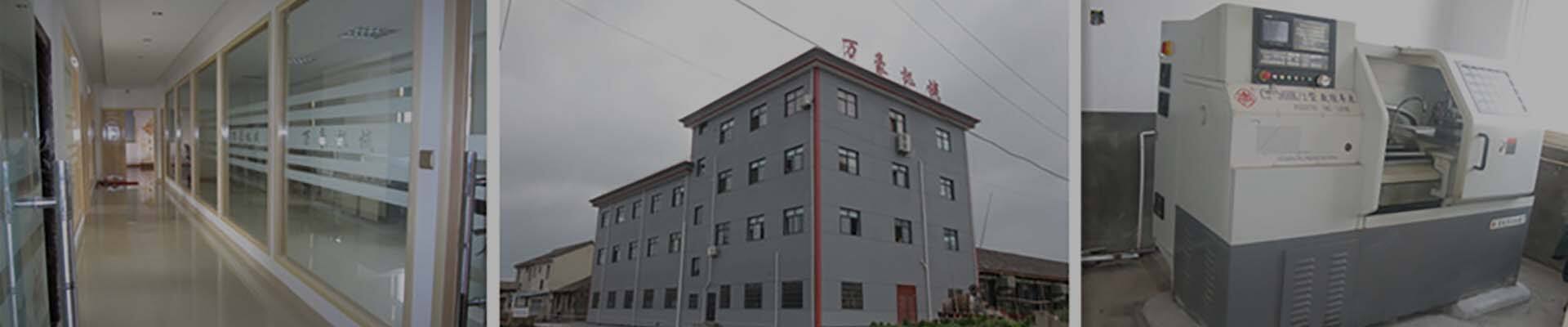
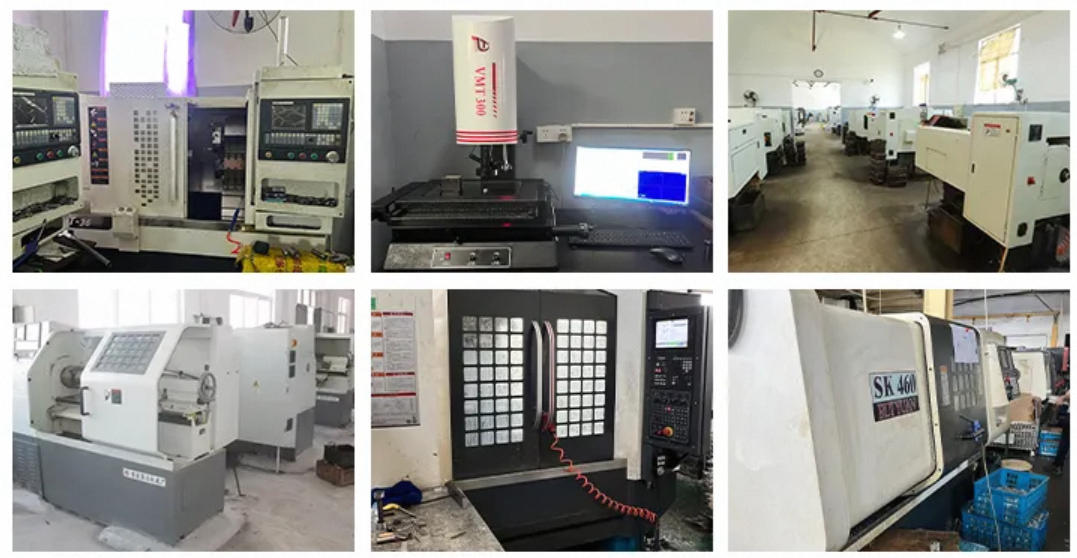
If you are looking for a reliable partner for small-batch CNC processing, Ningbo Yinzhou Yunlong Wanhao Machinery Factory is your best choice. We have over 80 sets of various precision processing equipment, including CNC lathes, milling machines, grinders and drilling machines, etc., which can flexibly meet the diverse product demands.
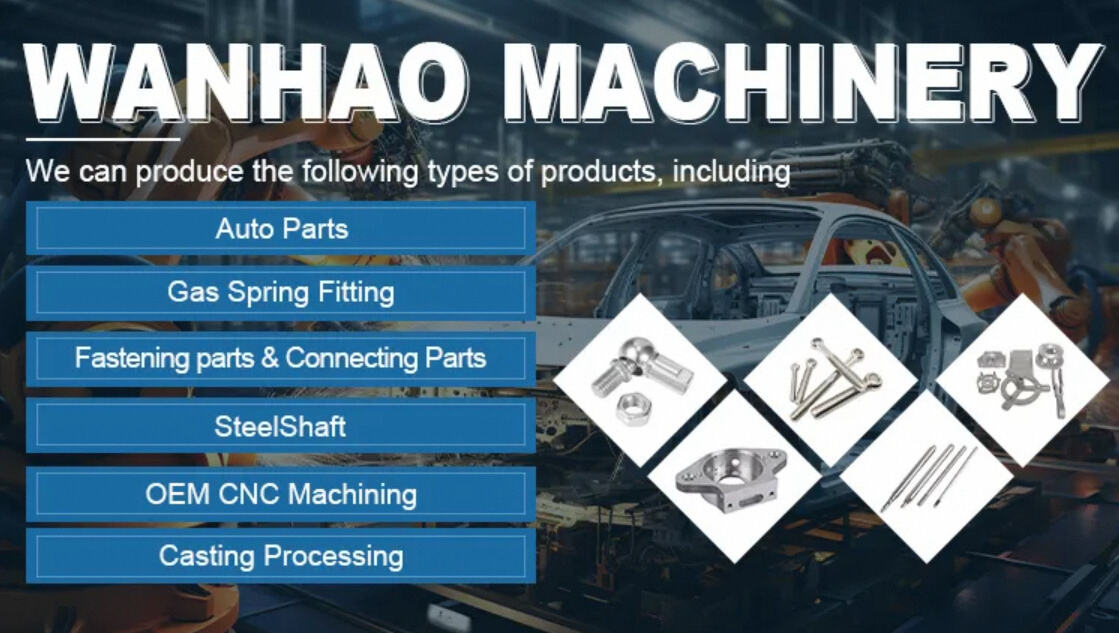
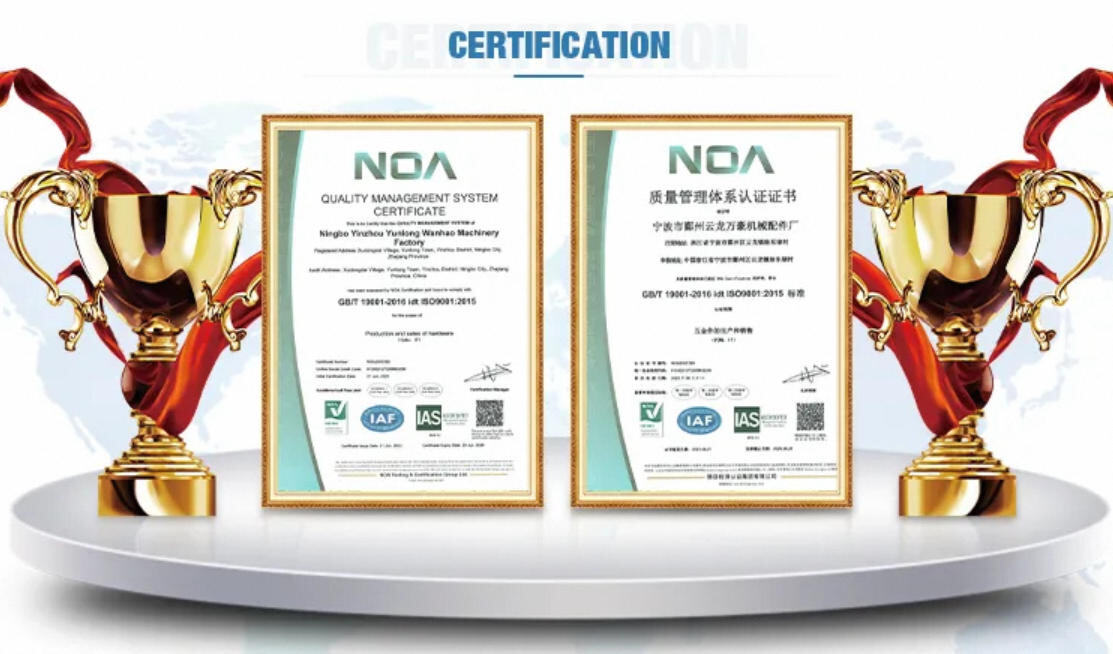
The company mainly deals in products such as universal joints, ball joints, tie rod joints, and gas spring connectors, and provides professional OEM customization services. We have passed the ISO 9001 quality management system certification and have rich experience especially in the field of precision components such as ball joints and steering joints.
Welcome to send your requirements at any time. We will promptly provide you with quotations and technical suggestions!