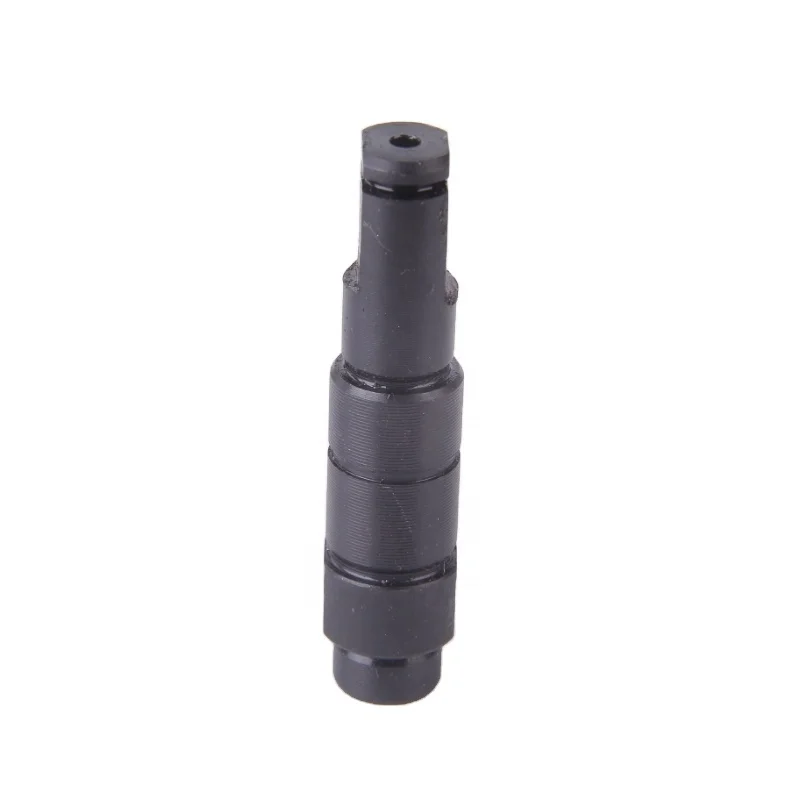
Have you ever heard of cast iron sand casting? A process that melts cast iron and pours it into a sand mold, creating durable parts of various forms. Now this technique has been updated, and is better than ever for use on cast iron. This is why it has turned into a mainstream manner to produce so many of the things we use daily. So how does cast iron sand casting work and why is it such an exciting process?
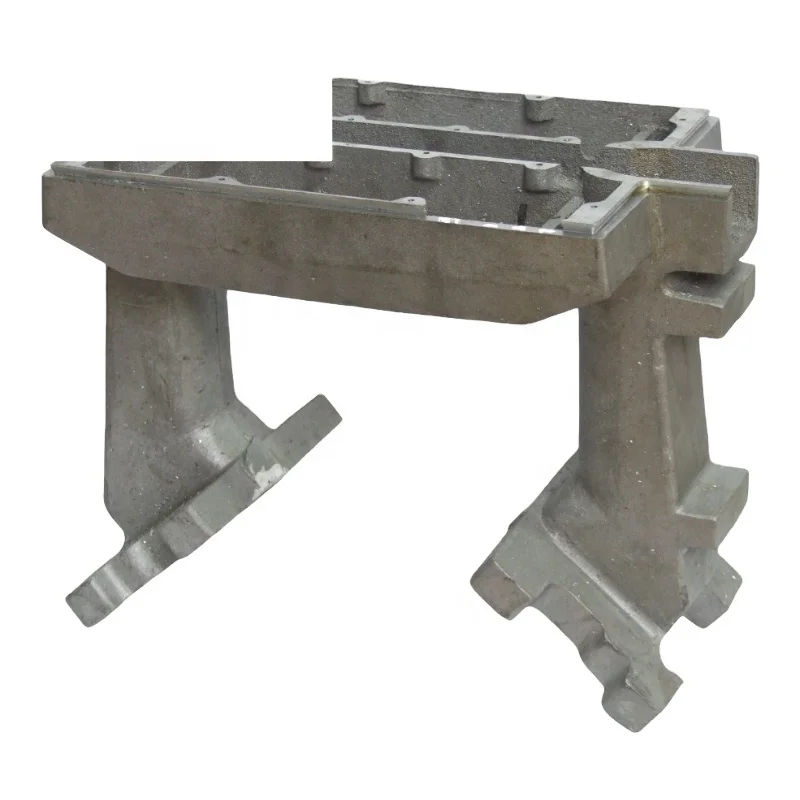
Cast iron is tough, long-lasting and strong. Hence, many people opt to manufacture products with cast iron. It is a method that allows for even more durable and resilient products. It all starts with blending cast iron together in a unique mixture and heating it up until it liquefies. Next, this molten cast iron is poured into a suitable sand mold. A specific shape of sand mold is made to fit the perfect design and product size. After the liquid cast iron cools and solidifies, you break away the sand mold to reveal your new product. It is amazing to see how a liquid turns into such solid strong entity.
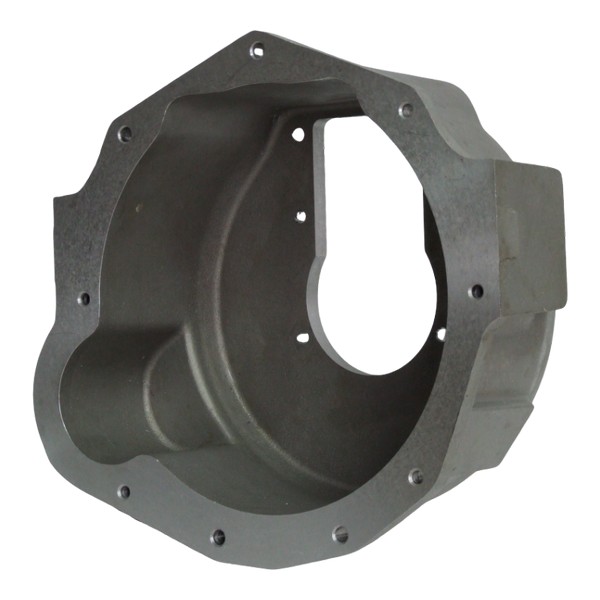
An ancient way of creating the sand casting method is being utilized by consumers for several years, centuries even! This technique has been updated and adapted to the use with cast iron over time, however it is now more convenient than ever before. A sand mold is formed by putting the pattern in an empty container and then filling it with a mixture of water, clay, graphite powder or another material. The design aids in forming the sand pattern. Once you have your pattern its time to build the sand around it and make a mold. The molten cast iron flows in from the outside and ultimately completely fills all this space. Cool it and you will have a wink machine that you should be proud of.
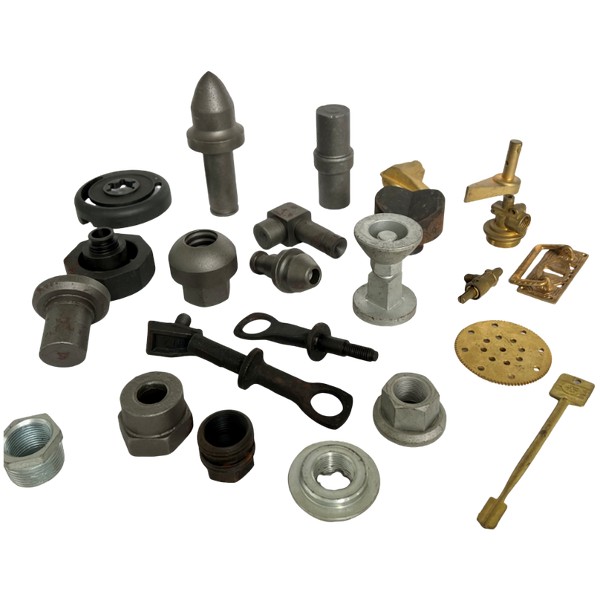
Following the steps for cast iron sand casting is crucial if you are planning to give it a try. This will lead to good results of your work and assure that everything runs smoothly. The very first thing starts by making a template of what you are going to make. It can be constructed out of wood, plastic or even metal. Then you create a sand mold around your pattern. SAND - The sand should be compacted to keep it in its shape. Then you have to melt the cast iron into a really hot furnace. You then melt the cast iron and pour it into the sand mold. You just have to let it cool and harden for a while (you can help yourself with some tools) before removing the sand mold. Hot molten cast iron can be dangerous and you should wear protective gloves, which give protection against water up to 500F, face goggles for eyes safety.
And here is where it really gets fun; however, there are a lot of details and things that can cause issues you have to watch out for in sand casting cast iron. A RiserThis is one of the key things that needs to be done. A riser is additional sand that the mould contains and assists to allow for the molten cast iron to flow into them properly, as well fill up any voids which may occur from this type of parts cooling in its internal solidification process. Runners and Gates.design of runners and gates is also a major part in sand casting. They are designed to ensure that the molten cast iron flows evenly into the sand mold. With these simple features properly taken care of, your cast iron will not only be strong but also stunning and long-lasting.
The company has obtained cast iron sand casting certification. Production of the product will undergo the initial inspection, re-inspection and final inspection triple inspection, as far as it is feasible to ensure quality and provide customers with the most satisfying experience.
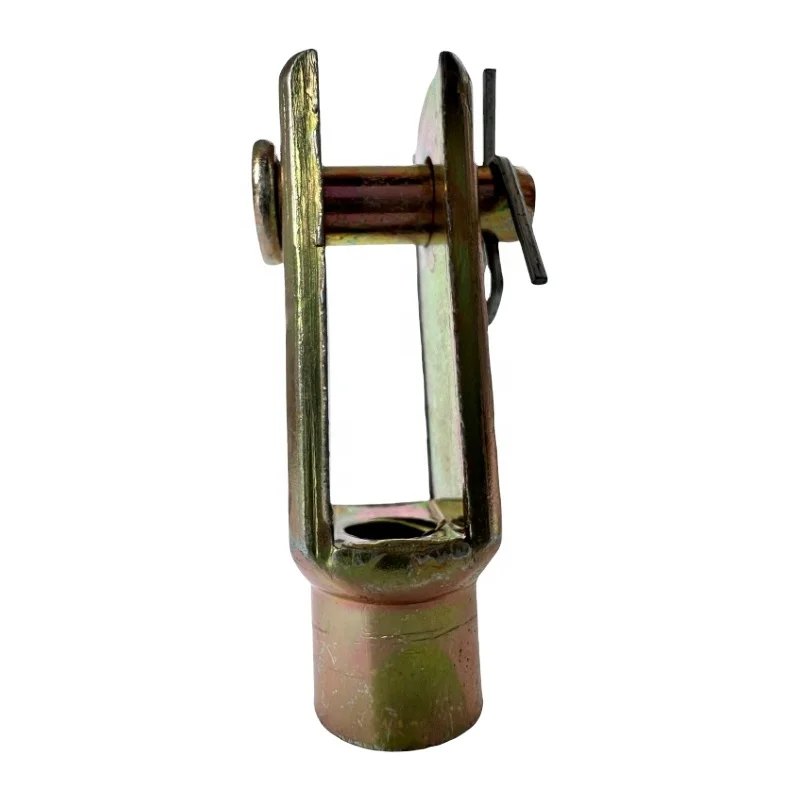
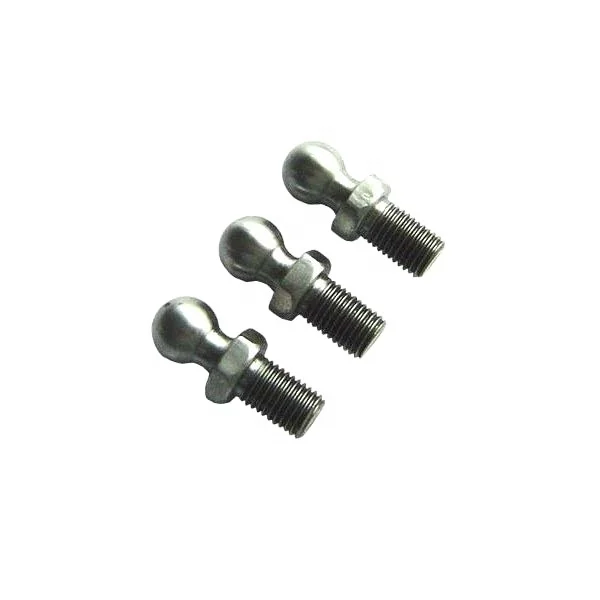
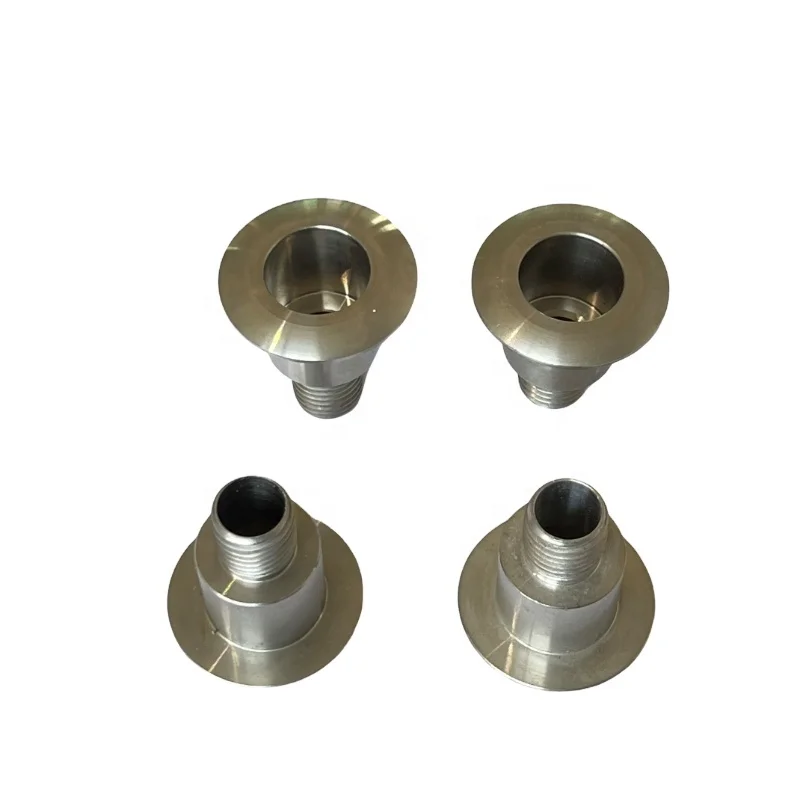
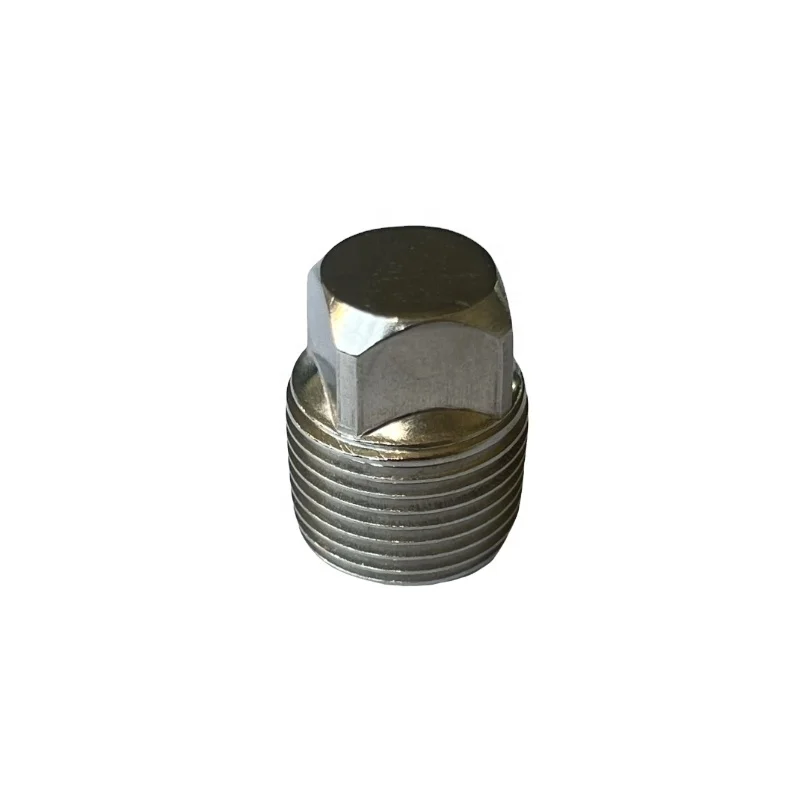
The cast iron sand casting business of the firm is casting and forging. Fasteners and auto parts that are custom-designed are the main items.
Timely and high-quality delivery cast iron sand casting every customer.
Yunlong Wanhao Machinery is a company founded over 21 years ago that is available all year long to supply to a variety of large corporations, and has extensive experience in cast iron sand casting, can meet the demands of their customers.
 EN
EN