EN
EN

Quels sont les équipements et caractéristiques courants de l'usinage CNC ?
L'usinage est une étape cruciale dans l'industrie manufacturière, impliquant le processus de transformation des matières premières en formes et dimensions souhaitées par des méthodes telles que le découpage, le meulage et le perçage. Pour atteindre une grande précision et une efficacité dans l'usinage, il existe de nombreux types d'équipements d'usinage, chacun ayant ses propres caractéristiques spécifiques. Cet article présentera en détail plusieurs équipements d'usinage courants, y compris leurs fonctions, caractéristiques et les types de composants pour lesquels ils conviennent.

1. Tour machine
Fonction et caractéristiques :
Le tour est l'un des équipements de traitement mécanique les plus basiques et courants, principalement utilisé pour usiner des pièces présentant une symétrie de révolution. Le tour effectue l'usinage par la rotation de la pièce et le mouvement linéaire de l'outil. Il convient pour l'usinage de pièces cylindriques, coniques et filetées. Facile à utiliser, le tour possède un large éventail d'applications et peut réaliser aussi bien l'ébauche que la finition. Il est fréquemment utilisé en production unitaire ou en petites séries, ainsi que pour la réparation de pièces.
Composants concernés :
Pièces axiales (comme les arbres de transmission)
Pièces cylindriques (comme les bagues de roulement)
Pièces coniques (comme les raccords coniques)
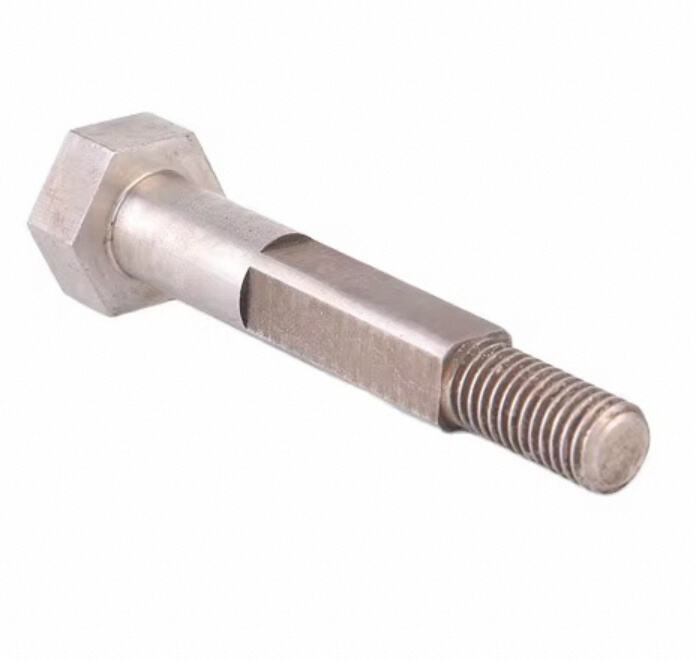
Différents types de filetages (comme les boulons et les écrous)
2. Fraiseuse
Fonction et caractéristiques :
La fraiseuse usine la pièce en faisant tourner des outils de coupe à plusieurs arêtes, permettant de traiter des formes complexes telles que des plans, des rainures et des surfaces profilées. Il existe différents types de fraiseuses, notamment des fraiseuses horizontales, des fraiseuses verticales et des fraiseuses CNC (CNC signifie commande numérique par ordinateur). Parmi celles-ci, les fraiseuses CNC offrent des avantages tels qu'une grande automatisation, une haute précision d'usinage et une efficacité élevée, ce qui les rend adaptées à la production en série et à l'usinage de pièces complexes.
Composants concernés :
Pièces planes (telles que les bâti de machine)
Pièces à rainures (telles que les gorges de clavette, les rails de guidage)
Pièces de forme complexe (telles que les moules)
Pièces à surface courbe (telles que les turbines)
3. Perceuse
Fonction et caractéristiques :
Les machines à percer sont principalement utilisées pour l'usinage de trous sur des pièces, y compris le forage, l'alésage et le taraudage. Le fonctionnement des machines à percer est simple, mais il existe des exigences élevées quant au diamètre et à la profondeur des trous usinés. Les types courants de machines à percer incluent les perceuses sur table, les perceuses verticales et les perceuses CNC. Les perceuses CNC peuvent réaliser un usinage de trous efficace et de haute précision grâce à une commande par programme.
Composants concernés :
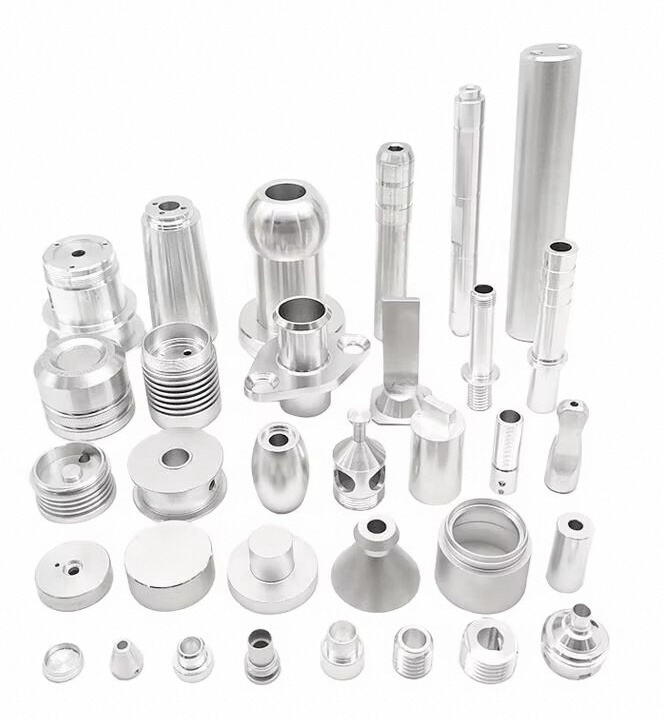
Les trous sur divers composants (tels que les trous de boulons sur des brides)
Composants à trous profonds (tels que les cylindres dans un bloc-moteur)
Pièces de type trou de précision (tels que les minuscules trous sur l'injecteur de carburant)
4. Machine à meuler
Fonction et caractéristiques :
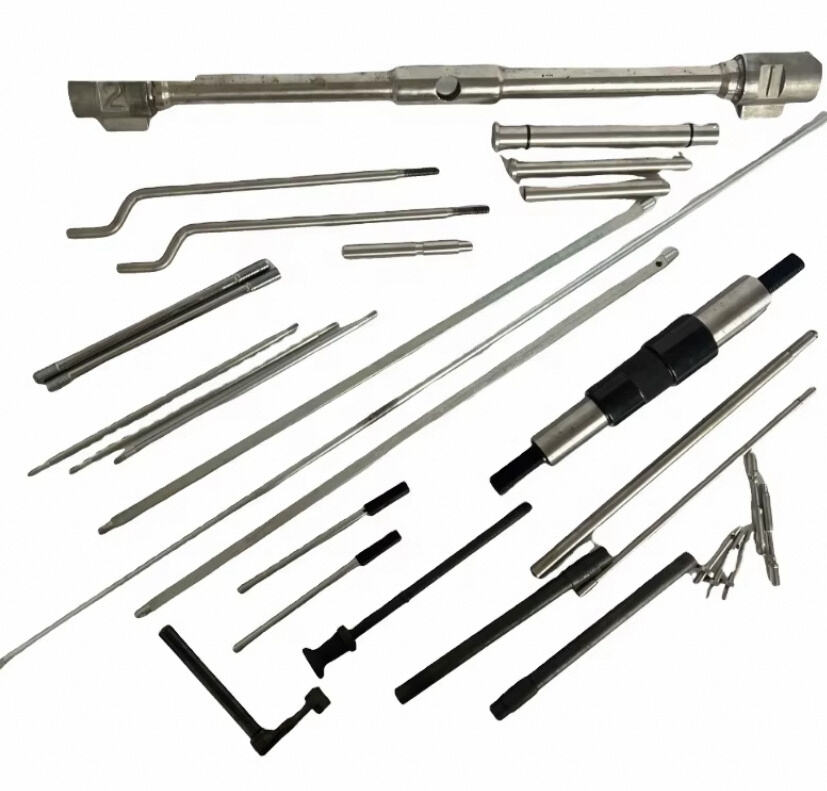
La machine à meuler effectue un meulage de haute précision sur la pièce à usiner à l'aide d'outils de meulage, dans le but d'obtenir des dimensions précises et une surface lisse. Les types de machines à meuler comprennent les machines à planer par meulage, les machines à cylindrer par meulage, les machines à aléser intérieur par meulage et les machines à meuler sans centre, entre autres. Les machines à meuler offrent une grande précision d'usinage et peuvent travailler des matériaux de dureté élevée. Elles sont largement utilisées pour l'usinage de composants nécessitant une haute précision et une grande finesse de surface.
Composants concernés :
Pièces de précision de type arbre (telles que les broches de précision)
Pièces de haute dureté (telles que les engrenages trempés)
Pièces planes (telles que les plaques de moules de précision)
Pièces à trous ronds (telles que les bagues intérieures et extérieures des roulements à billes)
5. Machines-outils à commande numérique
Fonction et caractéristiques :
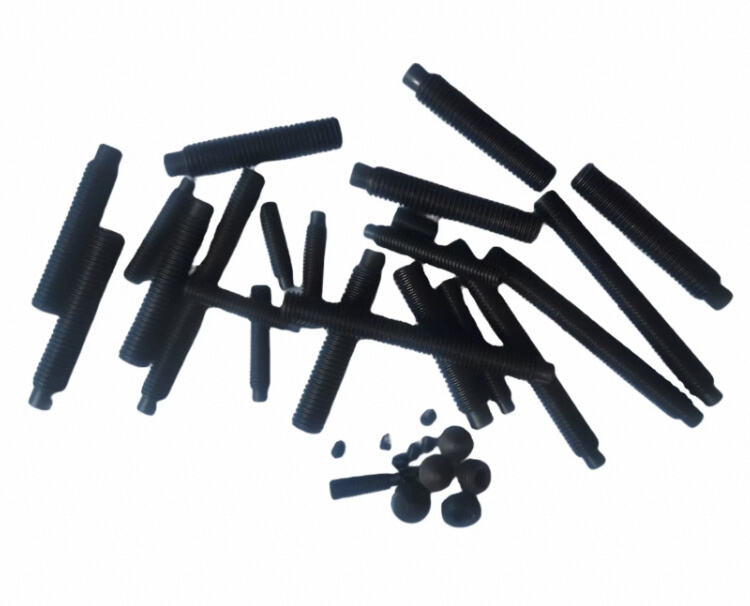
Les machines-outils à commande numérique sont contrôlées par des programmes informatiques et effectuent un usinage automatisé des pièces. Les machines-outils à commande numérique incluent les tours CNC, les fraiseuses CNC, les rectifieuses CNC, etc. Elles se caractérisent par une grande précision d'usinage, une haute efficacité, une opération flexible et une forte adaptabilité, ce qui les rend particulièrement adaptées à la production de grande série de pièces complexes et de haute précision.
Composants concernés :
Pièces aux formes géométriques complexes (par exemple, pales de moteur d'avion)
Pièces de haute précision (par exemple, engrenages précis)
Production en série de pièces (par exemple, boîtiers de composants électroniques)
Pièces en matériaux composites (par exemple, composants en fibre de carbone)
6. Machine d'usinage par électroérosion
Fonction et caractéristiques :
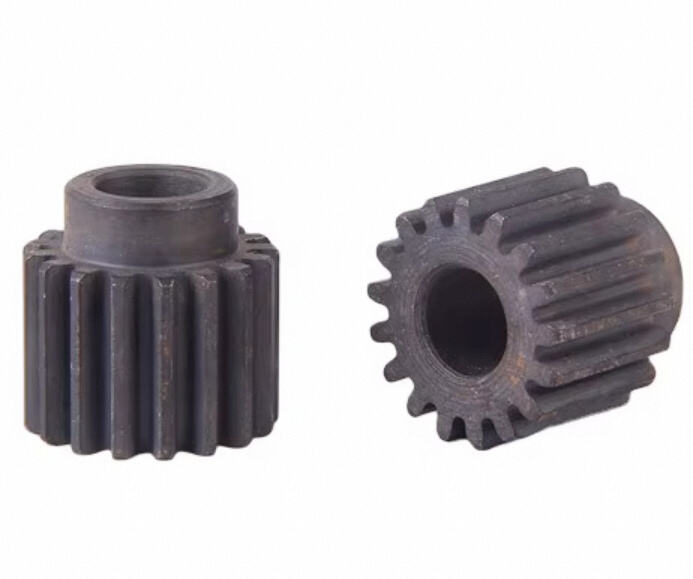
L'usinage par électroérosion (EDM) utilise le phénomène de décharge électrique pour traiter les matériaux métalliques et convient à l'usinage de précision de matériaux difficiles à usiner ainsi que de pièces à géométrie complexe. L'électroérosion comprend les machines à électroérosion par formage et les machines à électroérosion par fil. Les premières servent à usiner des pièces aux formes complexes telles que les moules et cavités, tandis que les secondes permettent de découper des profils complexes.
Composants concernés :
Pièces de moules (tels que les moules d'injection plastique)
Pièces en alliage dur (tels que les outils de coupe en alliage dur)
- Composants miniatures (tels que les roulements miniatures)
Pièces à géométrie complexe (telles que les cavités de moules aux surfaces complexes)
7. Machine de découpe laser
Fonction et caractéristiques :
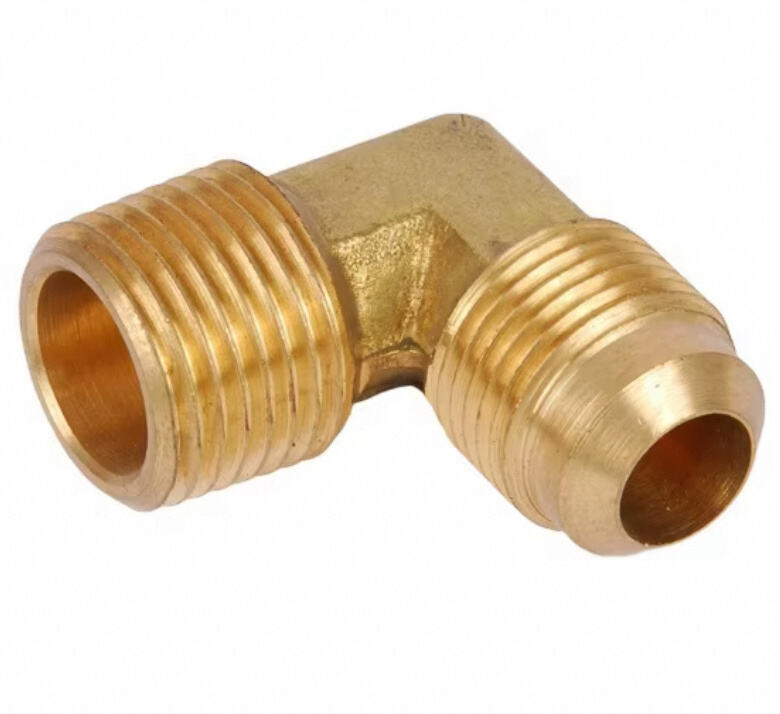
La machine de découpe laser utilise un faisceau laser à haute énergie pour couper, graver et percer des matériaux. Elle offre une grande précision de traitement et une vitesse de coupe élevée. Elle convient à la découpe de matériaux métalliques et non métalliques et est largement utilisée dans le travail des tôles, la fabrication publicitaire, la production électronique et d'autres domaines. La machine de découpe laser ne nécessite pas de contact avec la pièce, présente une zone thermiquement affectée réduite et assure une efficacité de traitement élevée.
Composants concernés :
Pièces en tôle (telles que les carrosseries en tôle)
Pièces de précision (telles que les composants électroniques)
Articles de production publicitaire (tels que les panneaux d'affichage)
Matériaux non métalliques (tels que les plastiques et les bois)
8. Machine de traitement ultrasonique
Fonction et caractéristiques :
La machine de traitement ultrasonique utilise des outils ultrasoniques à vibration haute fréquence pour usiner des matériaux durs et fragiles. Elle convient au traitement de matériaux difficiles à usiner tels que le verre, la céramique et les pierres précieuses. La machine de traitement ultrasonique présente des avantages tels qu'une grande précision d'usinage, une bonne qualité de surface et l'absence d'influence thermique. Elle est souvent utilisée pour le micro-usinage précis et le traitement de matériaux spéciaux.
Composants concernés :
Composants en verre (tels que les lentilles optiques)
Pièces en céramique (telles que les roulements en céramique)
Composants de bijouterie (tels que les pièces de montre)
Autres matériaux difficiles à usiner (tels que les pièces en carbure de silicium)
Il existe différents types d'équipements d'usinage, chacun ayant ses propres caractéristiques et étant adapté au traitement de différents types de composants. Les tours conviennent aux pièces à symétrie de révolution, les fraiseuses aux pièces planes et de formes complexes, les perceuses servent à usiner divers trous, les rectifieuses sont utilisées pour les pièces nécessitant une grande précision et une finition très lisse, tandis que les machines-outils à commande numérique (CNC) permettent un usinage précis et efficace grâce au contrôle automatisé par programme. Les machines à électroérosion, les machines de découpe laser et les machines d'usinage ultrasonique conviennent respectivement au travail de matériaux spéciaux et de pièces à géométrie complexe. Le choix de l'équipement d'usinage approprié en fonction de la forme, des dimensions, du matériau et des exigences de précision de la pièce est essentiel pour garantir la qualité et l'efficacité de l'usinage.