 EN
EN

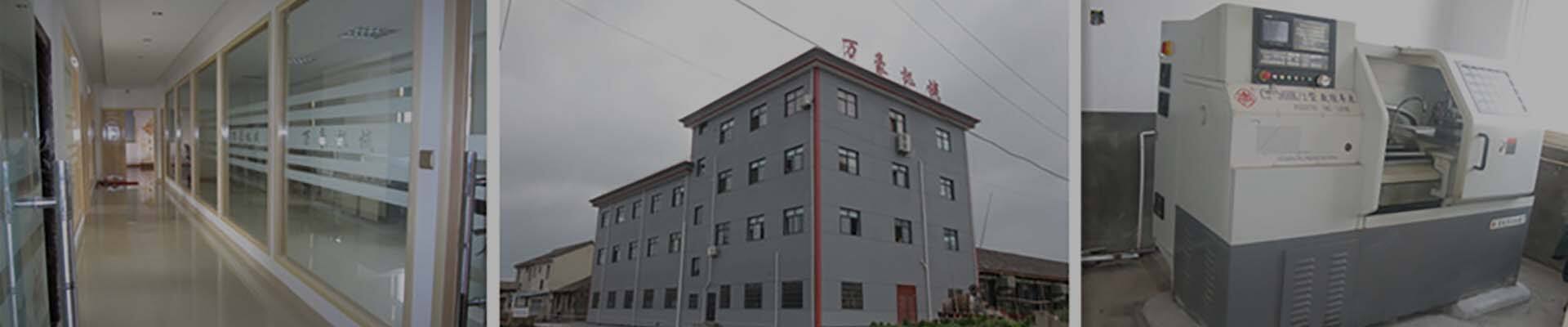
Il-manifattur Wanhao jispjega bil-komplet l-akuratezza tal-kmandar CNC
Il-kwartzatura CNC hija teknoloġija ta’ proċessar b’effiċjenza għolja u preċiżjoni li tintuża wiesgħa fl-manifattura moderna. Il-preċiżjoni tal-kwartzatura hija waħda mill-indikaturi importanti biex evalwa l-kwalità tal-kwartzatura CNC, u tiddependi direttament fuq il-prestazzjoni u t-tul tal-ħajja tal-prodott finali. Dan l-artikolu se jiddiskuti fid-dettall minn żewġ aspetti: id-definizzjoni tal-preċiżjoni tal-kwartzatura CNC u l-fatturi li jiffawwuha.
1. X’inhuma preċiżjoni tal-kwartzatura CNC
Il-preċiżjoni tal-kwartzatura CNC tirreferi għad-daqs tal-konformità bejn id-daqs attwali, forma, pożizzjoni, eċċ. tal-partijiet imkurruntati u r-rekwiżiti tad-disinn. Inklużi prinċipalment il-preċiżjoni tad-daqs, il-preċiżjoni tal-forma u l-preċiżjoni tal-pożizzjoni
Il-preċiżjoni tad-daqs tirreferi għall-devjazzjoni bejn id-daqs attwali tal-parti imkurruntat u d-daqs iddisinjat. Spiss jintuża żona ta’ tolleranza biex tirrappreżentaha. Iktar żejjed hi ż-żona ta’ tolleranza, iktar għolja hija l-preċiżjoni tad-daqs.
2. Il-precisjoni tal-forma tirreferi għall-devjazzjoni bejn il-forma attwali tal-parti proċessat u d-disinn tal-forma, inklużi ċirkonduċità, pjanità, rrettilinejità, eċċ. Iż-żball ikkawżat fil-forma ikun iżgħar, il-precisjoni tal-forma ikun ogħla.
3. Il-precisjoni tal-pożizzjoni tirreferi għall-devjazzjoni bejn il-pożizzjoni attwali tal-parti proċessat u d-disinn tal-pożizzjoni, inklużi koassjalità, simmetrija, parallelism, eċċ. Iż-żball ikkawżat fil-pożizzjoni ikun iżgħar, il-precisjoni tal-pożizzjoni ikun ogħla.
X'inhi l-fatturi ewlenin li jaffettwaw il-precisjoni tal-mekkaniżzazzjoni CNC?
Fil-proċess prattiku tal-mekkaniżzazzjoni CNC, il-precisjoni tal-mekkaniżzazzjoni spiss tikkisb l-effett kombinat ta’ diversi fatturi, li huma interrelatati u jiddeċiedu direttament il-kwalità finali tal-ogħġa. Ibbażjati fuq l-għarfien tal-produzzjoni, il-fatturi prinċipali li jaffettwaw jistgħu jiġu rriżommijati fis-seggwenti kategoriji:
Il-precisjoni u l-prestazzjoni tal-mekkina stess
Il-komputers tal-apparati huma l-ekwipaggji ewlenin għall-kwiel CNC, u l-kwalità tagħhom direttament tistabbilixxi l-bażi għall-precisjoni. Minn naħa waħda, il-precisjoni ewlenija tal-produzzjoni tal-komputers (bħal l-akkurati tal-għidiet u l-akkurati tad-dwar tas-spindles) hija kondizzjoni innata. Minn naħa oħra, l-ġisem riggid tal-korp tal-apparat ikollu importanza kbira – l-apparati riggidi jistgħu jirrifjutaw b’effikaċja l-forza ta l-impatt u l-vibrazzjoni ġġenerati matul il-proċess ta kwiel, ikunu jprevjenu devjazzjonijiet fit-trattament kkawżati minn deformazzjoni tal-korp tal-apparat. Speċjalment għall-komputers li huma fis-użu għal ħajt twil, problemi bħal l-erosjoni tal-għidiet u l-spazji tas-spindle se jaffettwaw gradwalment l-istabbiltà tal-precisjoni.
2. Precisjoni u kontroll tal-logħob tal-kwiel
Bħala komponent li jiffunzjona direttament fl-ogħġa, l-istat ta' preċiżjoni tal-qortiel għandu effett sinifikanti fuq ir-riżultat tal-proċessar. L-akuratezza ġeometrika tal-xafra tal-qortiel, l-ħoqqija tal-xafra u l-uniformità tal-materjal tal-qortiel ġdid ikollhom kollha rifless dirett fis-daqs u fil-kwalità tas-superficija tal-ogħġa. Matul il-proċessar, l-usura tal-qortiel hija inebbli. Il-buntatura u s-siqqa tal-xafra wara qortil kontinwu iwasslu għal zidiet fil-forza ta' qortiel, devjazzjoni fil-passa ta' qortiel, u bħala konsegwenza każzjonijiet fid-daqs. Għalhekk, is-seħħ regolari tal-usura tal-qortiel u bdlu fi żmien huwa link importanti biex jiżgura l-akkuratezza.
3. Effett ta' pożizzjonament u ta' ħaṣir tal-fiksal
Il-funzjoni ta' viza hija li tifissa b’mod stabil il-pezzo ta’ xogħol. L-akuratezza tal-pozzjonament tiegħu u l-kariga ta’ ħeġġ tiegħu jaffettwaw direttament ir-referenza tat-trattament tal-pezzo ta’ xogħol. Jekk ikunu hemm żballi fis-superfici tal-pozzjonament tal-viza jew jekk il-pinijiet tal-pozzjonament ikunu mharbija, dan jista’ jikkawża spostament fir-referanza tal-installazzjoni tal-pezzo ta’ xogħol. Il-forza eċċessiva tal-ħeġġ tista’ faċilment twassal għall-deformazzjoni tal-pezzo ta’ xogħol, filwaqt li forza inadegwata tal-ħeġġ tista’ tweġġeb lejn allużjar tal-pezzo ta’ xogħol matul il-proċess ta’ qtes. Il-kollha dawn il-problemi se jittradukaw direttament f’żballi fl-akuratezza tal-ippreparazzjoni.
4. Abbinament raġonevoli tal-parametri tat-trattament
Is-settjar ta' parametri ewliżi ta' proċessar bħal veloċità ta' qċa, ħjiel u profondità ta' qċa huwa kkollegat qrib mal-kontroll tal-precisjoni. Pereżempju, veloċità ta' qċa eċċessivament għolja tista' faċilment twassal għal logħob severi tat-tool ta' qċa u deformazzjoni termika tal-kampjun, filwaqt li veloċità baxxa wisq tista' twassal għal zidiet fil-forza ta' qċa u tikkawża vibrazzjoni. Għalkemm veloċità ta' ħjiel eċċessiva tista' ttejjeb l-effiċjenza, hi tnaqqas l-akuratezza tas-superfici. Min-naħa l-oħra, veloċità ta' ħjiel żgħira wisq tista' twassal għall-fenomenu magħruf bħala "morsa tat-tool". Biss billi jinġabar il-parti magħżul eżattament skont il-materjal tal-kampjun, it-tip tat-tool, u r-rekwiżiti tat-teknika ta' proċessar, il-korrimenti jistgħu jinkontrollaw filwaqt li tinstab l-effiċjenza.
5. Stabbiltà tal-ambjent ta' proċessar
Il-flukwazzjonijiet fit-temperatura u l-umdità fl-ambjent ta' proċessar spiss ma jinkunu trascurati bħala fatturi li jaffettwaw il-precisjoni. Il-materiali tal-bażi tal-makkinarju, għajnejn tad-direzzjoni u l-ħaġar huma differenti, u b’hekk il-kojfiċjenti ta' espansjoni termika jvarjaw ukoll. Bidliet fl-ambjent termiku jistgħu jikkawżaw deformazzjoni mhux uniformi ta' kull komponent, li b’hekk jiddestru l-abbinaġġ oriġinali preċiż. Pereżempju, l-aument tat-temperatura tal-offiċina fis-sajf jista' jikkawża l-għajnejn tad-direzzjoni tal-makkinarju jispiċċaw, filwaqt li fis-ilma jistgħu jikkontraħħu. Għalhekk, il-ħolqien ta' ambjent b'temperatura u umdità kostanti fil-workshop ta' proċessar u l-kumpensar korrett tat-temperatura tal-makkinarju u tal-ħaġar jistgħu jimmimizzaw l-errore ta' precisjoni kkawżat minn deformazzjoni termika sa limitu massimu.